VENUES
Halls and counters
RNID says large-area loops suit theatres, cinemas, community centres, lecture halls and courtrooms; smaller loops suit reception desks and tills.
Which system where? calvarytechnology

ACCESSIBLE VENUE TECH
A hearing loop sends speech and music directly into hearing aids, cutting out the background noise of a busy room.
Community centres, halls and counters can all have one. This independent guide explains how loops work, how people use them and how to check one is switched on, from RNID and NHS information. It is not a venue, club or church, and it is not medical advice.
T the loop setting
Which system where?THE SHORT ANSWER
No special app or headset for most users.
Three things worth knowing.
VENUES
RNID says large-area loops suit theatres, cinemas, community centres, lecture halls and courtrooms; smaller loops suit reception desks and tills.
Which system where?USERS
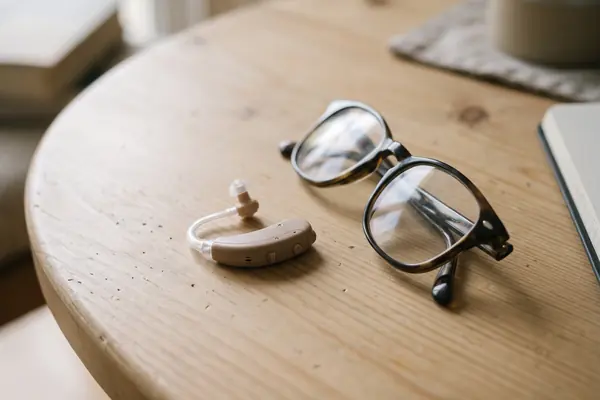
To use a loop you need a device with a telecoil. Most NHS hearing aids have one built in; users switch to the loop programme, or 'T' setting.
How it worksCHECKS
RNID says users often find loops not working, normally because of something simple like the system being off or a cable unplugged.
Test a loopGeneral information only, not medical advice. For advice about your own health, speak to a doctor, pharmacist or other qualified health professional.
THE VOLUNTEER'S LOOP TEST
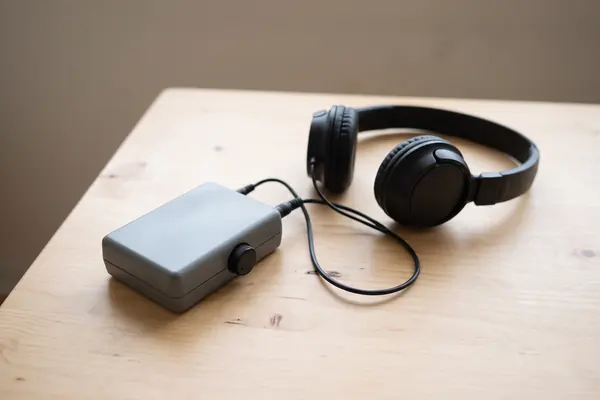
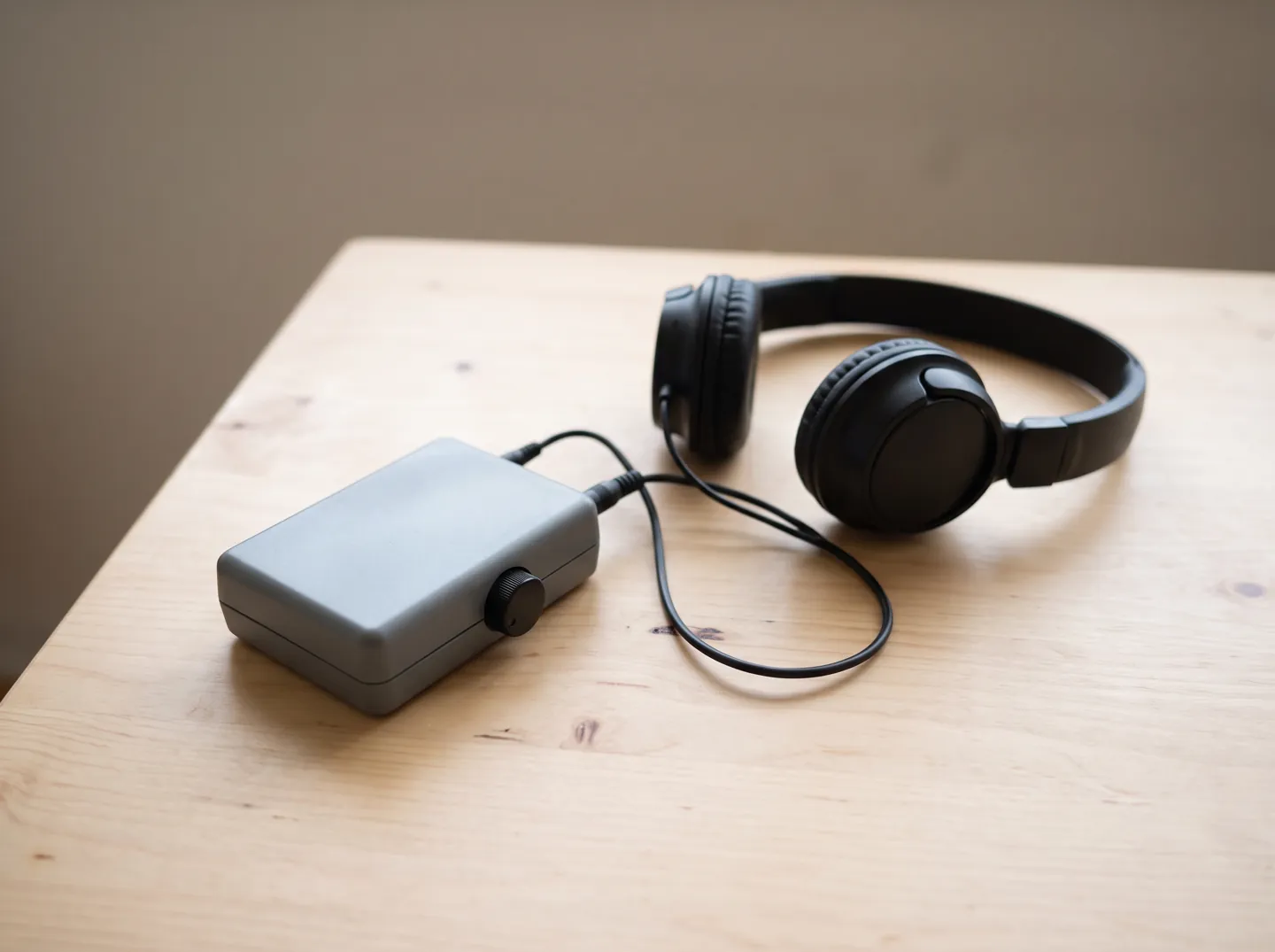
RNID's test uses a loop listener: a small device with a telecoil, a volume control and headphones.
Turn the loop listener to minimum, plug in the headphones and switch it on.
Hold the listener where the signal should be picked up, usually at head height.
Ask someone to speak into the microphone, or press play on the music source, then slowly turn the volume up. You should hear clear sound.
Are cables plugged in, equipment on and gain controls set, and does the listener have fresh batteries? If it still fails, call a loop installer.
TWO NUMBERS WORTH KNOWING
One figure for how many people it can help,
one for how often to service a loop.
18 million+
People in the UK who are deaf, have hearing loss or tinnitus
RNID says over 18 million people in the UK, about 1 in 3, are deaf, have hearing loss or tinnitus, and almost 80% of people over 70 will have hearing loss.
PREVALENCE · RNID
12 months
Recommended service interval for a loop
RNID recommends maintaining a hearing loop every 12 months to keep it in good working order.
MAINTENANCE · RNID
RNID also points to the Equality Act 2010, under which service providers must not refuse a service or offer a lower standard of service to people who are deaf or have hearing loss.
WHICH SYSTEM WHERE?
Choose where sound needs to reach. The bar shows how large an area the system is meant to cover, from RNID and NHS information.
Based on RNID guidance for venues and the NHS page on hearing aids. A qualified installer should assess a real venue.

HOW IT WORKS
RNID explains that a hearing loop uses a magnetic field to carry the audio signal. Hearing devices have a tiny coil of wire, a telecoil, that turns the field back into sound, and its strength depends on the coil's orientation.
Users switch to the loop programme, often called the T setting, with a button, app or remote. An audiologist may need to set the programme up first. People without a telecoil can use a loop listener, and venues show a hearing loop sign where one is fitted.
Questions
An assistive listening system that sends audio directly to hearing aids or cochlear implants, cutting out background noise so speech and music are clearer, RNID says.
It switches the hearing aid to its telecoil, or loop, programme so it picks up the loop's signal. RNID says an audiologist may need to set this programme up.
RNID says most hearing aids provided by the NHS have a telecoil built in. The NHS provides hearing aids free as a long-term loan, with free batteries and repairs.
Look for the hearing loop sign. RNID notes that people sometimes find loops installed but not working, so venues should check them.
With a loop listener and headphones: start at minimum volume, stand where people will sit, make some sound and turn the volume up slowly. If nothing comes through, check cables, power, gain and batteries.
Updated
ABOUT THIS NAME
calvarytechnology.com is part of the DoodleSale portfolio. It isn't in an auction right now, but you can ask about leasing it.